HD Construction

£2.7bn of major UK infrastructure written off, with HS2 cancellation a ‘textbook example of project mismanagement’

The Department for Transport (DfT) has incurred losses exceeding £2.7 billion following the cancellation of several major transport projects over the past two years.

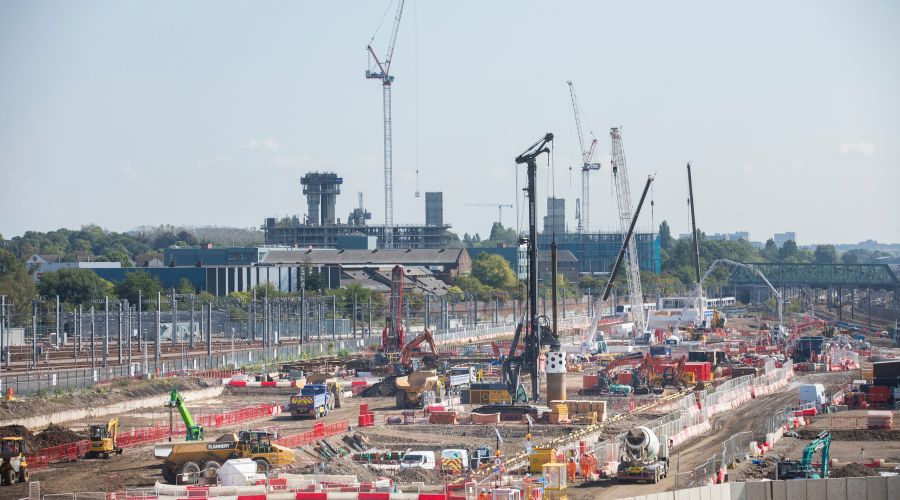
Credit: HS2

According to a new report from the National Audit Office (NAO), this represents 6.5 per cent of a total spend of £41.3 billion, much of which had already been invested in design and preparation.

The DfT’s capital spending includes £20.4 billion in infrastructure projects, notably the HS2 programme, Network Rail, and National Highways.

Affordability pressures and changing political priorities led to the scrapping of several developments, including £2.1 billion for the termination of HS2 Phase 2, which includes costs related to the Euston Station redesign and the Phase 2b West section.

Other abandoned road schemes added to the losses, such as the £224 million Stonehenge tunnel, £68 million for the A1 Morpeth dualling, and £67 million each for the A27 Arundel bypass and A358 Taunton project.

With one of the largest project portfolios in government, the DfT manages 18 major initiatives, including the £11 billion Transpennine Route Upgrade and the £3.9 billion East West Rail Scheme.

Some of these projects are expected to take decades to complete, with the £30.6 billion Northern Powerhouse Rail currently forecast to take nearly 30 years and ranked “red” in delivery confidence, however, the DfT has already committed significant funding to works underway.

SPONSORED CONTENT by CHIME

See why Statom Group moved away from fixed, facial recognition units to Chime and haven’t looked back. Read More

Credit: HS2

In total, the DfT spent £27.6 billion on rail infrastructure, with £6.8 billion directed towards HS2, a figure that continues to rise.

By April 2025, the HS2 programme had spent £40.5 billion, driven by delays and cost overruns.

To address this, the department is renegotiating the four major HS2 construction contracts to tighten cost controls.

The Public Accounts Committee, a select committee of the UK House of Commons responsible for scrutinising government spending, described HS2 as “a casebook example of how not to run a major project”.

The DfT is now aiming to reduce its day-to-day spending by £400 million by 2028-29.

This includes cutting rail passenger service subsidies and seeking £663 million in efficiency savings through modernisation, AI, and digital tools, as well as exploring private finance options for some future projects.

On the back of its report, the NAO has warned that the DfT faces significant challenges in managing large-scale infrastructure, urging HM Treasury and the new National Infrastructure and Service Transformation Authority (NISTA) to strengthen governance, improve risk categorisation, and refine approval processes for better accountability and project assurance.

Mega-projects often involve high levels of innovation, cost and risk, and can take decades to deliver and see the benefits,” said Gareth Davies, head of the NAO. “This means government needs stronger governance approaches for these projects.”

The DfT has been contacted for comment.

Was this interesting? Try: Sizewell C full-scale construction underway after multi-billion-pound financial injection by 13 banks

If you have a tip or story idea that fits with our publication, please contact danielle@wavenews.co.uk

Get industry news in 5 minutes!

A daily email that makes industry news enjoyable. It’s completely free.

Notice: JavaScript is required for this content.

The Department for Transport (DfT) has incurred losses exceeding £2.7 billion following the cancellation of several major transport projects over the past two years.

Credit: HS2

According to a new report from the National Audit Office (NAO), this represents 6.5 per cent of a total spend of £41.3 billion, much of which had already been invested in design and preparation.

The DfT’s capital spending includes £20.4 billion in infrastructure projects, notably the HS2 programme, Network Rail, and National Highways.

Affordability pressures and changing political priorities led to the scrapping of several developments, including £2.1 billion for the termination of HS2 Phase 2, which includes costs related to the Euston Station redesign and the Phase 2b West section.

Other abandoned road schemes added to the losses, such as the £224 million Stonehenge tunnel, £68 million for the A1 Morpeth dualling, and £67 million each for the A27 Arundel bypass and A358 Taunton project.

With one of the largest project portfolios in government, the DfT manages 18 major initiatives, including the £11 billion Transpennine Route Upgrade and the £3.9 billion East West Rail Scheme.

Some of these projects are expected to take decades to complete, with the £30.6 billion Northern Powerhouse Rail currently forecast to take nearly 30 years and ranked “red” in delivery confidence, however, the DfT has already committed significant funding to works underway.

SPONSORED CONTENT by CHIME

See why Statom Group moved away from fixed, facial recognition units to Chime and haven’t looked back. Read More

Credit: HS2

In total, the DfT spent £27.6 billion on rail infrastructure, with £6.8 billion directed towards HS2, a figure that continues to rise.

By April 2025, the HS2 programme had spent £40.5 billion, driven by delays and cost overruns.

To address this, the department is renegotiating the four major HS2 construction contracts to tighten cost controls.

The Public Accounts Committee, a select committee of the UK House of Commons responsible for scrutinising government spending, described HS2 as “a casebook example of how not to run a major project”.

The DfT is now aiming to reduce its day-to-day spending by £400 million by 2028-29.

This includes cutting rail passenger service subsidies and seeking £663 million in efficiency savings through modernisation, AI, and digital tools, as well as exploring private finance options for some future projects.

On the back of its report, the NAO has warned that the DfT faces significant challenges in managing large-scale infrastructure, urging HM Treasury and the new National Infrastructure and Service Transformation Authority (NISTA) to strengthen governance, improve risk categorisation, and refine approval processes for better accountability and project assurance.

Mega-projects often involve high levels of innovation, cost and risk, and can take decades to deliver and see the benefits,” said Gareth Davies, head of the NAO. “This means government needs stronger governance approaches for these projects.”

The DfT has been contacted for comment.

Was this interesting? Try: Sizewell C full-scale construction underway after multi-billion-pound financial injection by 13 banks

If you have a tip or story idea that fits with our publication, please contact danielle@wavenews.co.uk

Get industry news in 5 minutes!

A daily email that makes industry news enjoyable. It’s completely free.

Notice: JavaScript is required for this content.

Leave a Reply

Your email address will not be published. Required fields are marked *

Select the fields to be shown. Others will be hidden. Drag and drop to rearrange the order.
  • Image
  • SKU
  • Rating
  • Price
  • Stock
  • Availability
  • Add to cart
  • Description
  • Content
  • Weight
  • Dimensions
  • Additional information
Click outside to hide the comparison bar
Compare